A tenant reports a burning smell from a socket on a Sunday evening, and suddenly a routine rental becomes an urgent safety issue. That is why electrical testing for landlords is not something to leave until a tenancy renewal or a complaint lands in your inbox. In rental property, electrical safety is part legal duty, part risk management, and part basic responsibility to the people living there.
For landlords across London and Kent, the challenge is rarely understanding that safety matters. It is knowing what actually needs testing, when it needs doing, and what counts as compliant. The rules are clear in principle, but real properties are not always straightforward. Older consumer units, extensions completed years ago, mixed-use buildings, and high-turnover tenancies can all affect the right approach.
What electrical testing for landlords actually involves
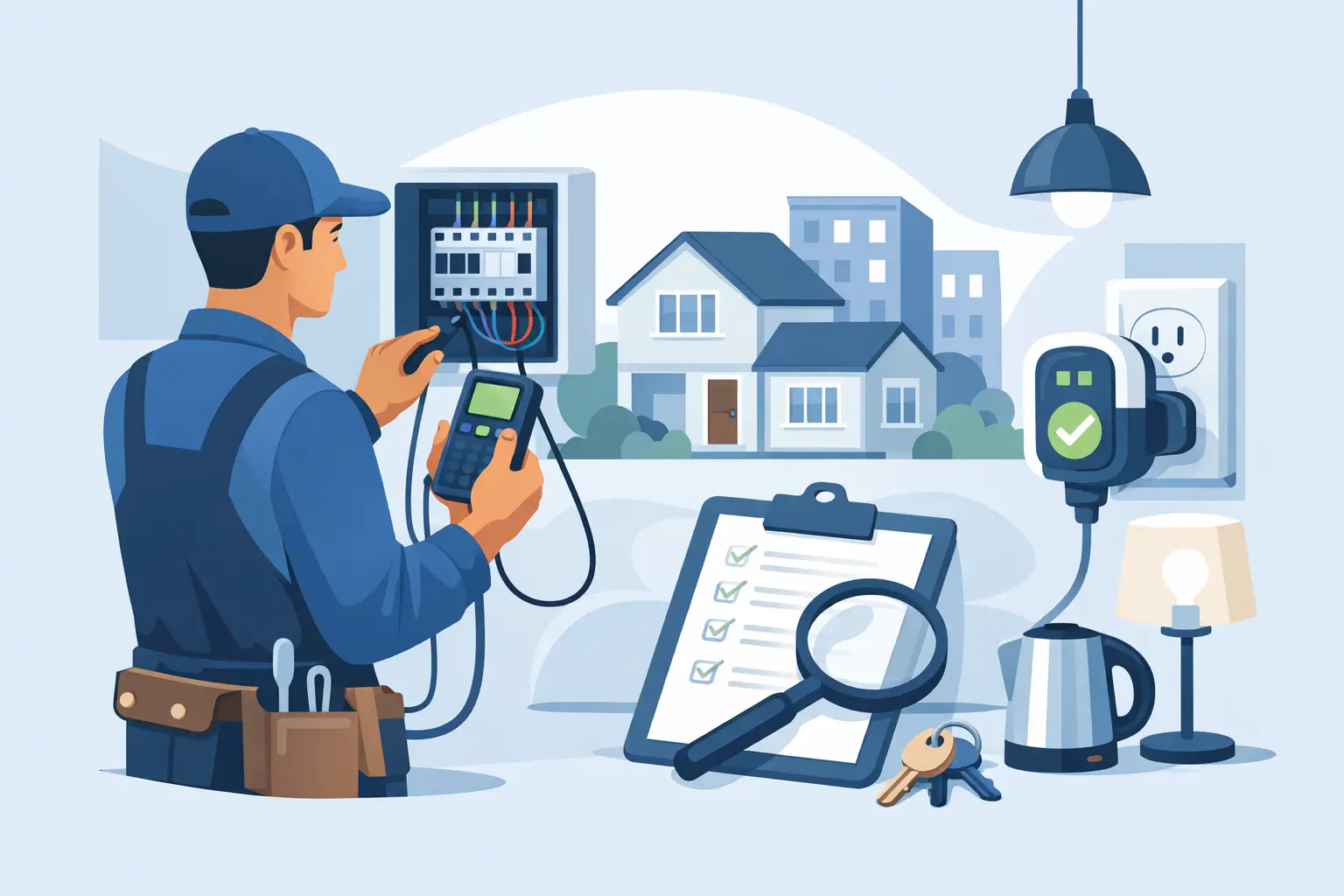
In most cases, electrical testing for landlords centres on the Electrical Installation Condition Report, usually shortened to EICR. This is a formal inspection and test of the fixed electrical installation in a property. It covers the wiring, sockets, light fittings, consumer unit, earthing and bonding, and the general condition of the electrical system.
The purpose is simple. An electrician is checking whether the installation is safe for continued use, whether there are signs of wear or deterioration, and whether any part of the system falls below current safety standards in a way that creates risk. It is not the same as a quick visual check, and it is not something that can be replaced by a handyman’s opinion.
For landlords, this matters because the fixed installation is your responsibility. Portable appliances you provide may also need attention, but they sit alongside the main requirement rather than replacing it.
When landlords need an EICR
For privately rented properties in England, landlords must ensure the electrical installation is inspected and tested at least every five years by a qualified person. A new report may also be needed earlier if the previous report says so, or if there has been a significant change to the installation.
That five-year rule is the baseline, not a reason to wait until the very last week. If you are purchasing a rental property, taking back possession after a long tenancy, or managing a flat with an ageing installation, it often makes sense to arrange testing sooner. Compliance deadlines are one thing. Managing risk properly is another.
HMOs, older houses split into flats, and properties with a history of electrical alterations tend to benefit from a more proactive approach. The law may permit a five-year interval, but condition, usage, and occupancy levels can make earlier inspection the sensible option.
What happens during the inspection
A proper EICR is methodical. The electrician will begin with a visual assessment, looking for obvious signs of damage, poor workmanship, overheating, unsuitable equipment, or outdated protective devices. They then carry out dead and live testing to assess the integrity and performance of the circuits.
That includes checking continuity, insulation resistance, polarity, earth fault loop impedance, RCD operation, and other key safety measures. The exact testing process depends on the property and the installation, but the goal is always the same - to identify defects, non-compliances, and potential hazards.
In an occupied property, some disruption is normal. Power may need to be isolated temporarily while tests are completed. A good contractor will explain this clearly in advance, work efficiently, and coordinate around tenant access wherever possible.
Understanding EICR results without the jargon
The report will include observations coded by severity. This is where landlords often need plain English rather than technical language.
A C1 code means danger is present and immediate action is required. A C2 code means a potentially dangerous issue has been found and remedial work is still required. An FI code means further investigation is needed without delay. If a report contains C1, C2, or FI observations, it will usually be classed as unsatisfactory.
A C3 code is different. It means improvement is recommended, but it does not on its own make the report unsatisfactory. That distinction matters. Not every departure from the latest edition of regulations means the installation is unsafe. Some older systems can remain serviceable, while still benefiting from upgrades.
This is where experienced advice matters. Landlords do not need to become electricians, but they do need clear guidance on what must be done now, what can be planned, and what is simply best practice.
Common issues found in rental properties
Across rented homes, the same problems appear time and again. Damaged accessories, lack of RCD protection, overloaded circuits, poor DIY alterations, inadequate bonding, and ageing consumer units are all common findings. In older stock, rubber or fabric-insulated wiring may still exist, and that raises obvious concerns.
Tenant wear and tear can also play a part, but many faults relate to the installation itself rather than day-to-day use. A property that looks tidy on the surface can still fail an inspection if the underlying electrical system has not kept pace with safety requirements.
That is why periodic testing has value beyond paperwork. It identifies hidden problems before they become emergencies, complaints, void-period delays, or insurance complications.
Is PAT testing part of landlord electrical compliance?
This is one area where confusion is common. PAT testing relates to portable appliances, not the fixed installation. If you provide electrical items such as kettles, microwaves, lamps, or white goods, it is sensible to have them checked at suitable intervals, especially in furnished lets and HMOs.
However, PAT testing is not a substitute for an EICR. They do different jobs. One checks appliances that plug in. The other checks the electrical installation of the property itself.
For some landlords, PAT testing may be occasional and low priority. For others, particularly those managing furnished accommodation or higher-turnover rental stock, it is a practical part of a wider safety plan.
Choosing the right contractor matters
Electrical testing is only useful if it is carried out thoroughly, reported clearly, and followed up properly. A vague report or rushed inspection can create as many problems as it solves. Landlords need a contractor who understands compliance, communicates clearly with tenants or managing agents, and can carry out remedial works if defects are found.
That end-to-end service matters more than many landlords realise. If an unsatisfactory report comes back, the next step is not to panic. It is to get a clear quotation, prioritise the remedial items correctly, and have the work completed within the required timescale. Working with one reliable electrical contractor can make that process faster and easier to manage.
For portfolios with multiple properties, consistency becomes even more valuable. Standardised reporting, planned testing schedules, and dependable access coordination save time and reduce the risk of missed deadlines.
How to stay compliant without making it complicated
The simplest approach is to treat electrical testing as part of your property management cycle rather than a one-off obligation. Keep copies of reports, note the next inspection date, and act promptly on any remedial recommendations that affect safety or compliance.
If you are taking on a new property, schedule testing early. If you are between tenancies, use that access window to inspect, test, and complete any upgrades without avoidable disruption. If you manage occupied homes, give tenants clear notice and work with contractors who arrive when agreed and explain what is happening.
It also helps to think beyond the certificate itself. If a property has an old fuse board, a history of faults, or signs of unauthorised alterations, a wider review may be sensible. Sometimes the most cost-effective option is not repeated patch repairs, but a targeted upgrade that improves safety, reliability, and future compliance.
Why this matters beyond the legal requirement
There is a tendency to see electrical testing as another landlord document to file away. In practice, it has direct consequences for safety, liability, tenant confidence, and the condition of the property. Good testing helps prevent fires, electric shock risks, recurring faults, and expensive reactive callouts.
It also sends the right message. Tenants notice when a property is managed properly, and agents prefer dealing with landlords who stay ahead of compliance issues. In a competitive rental market, professionalism is not just about appearances. It is about the systems behind the scenes.
At PG Electrical, the focus is always on clear advice, safe workmanship, and practical solutions that help landlords stay compliant without unnecessary disruption. The best time to deal with electrical risk is before it turns into a problem, and a well-timed inspection is often the step that keeps everything on the right track.